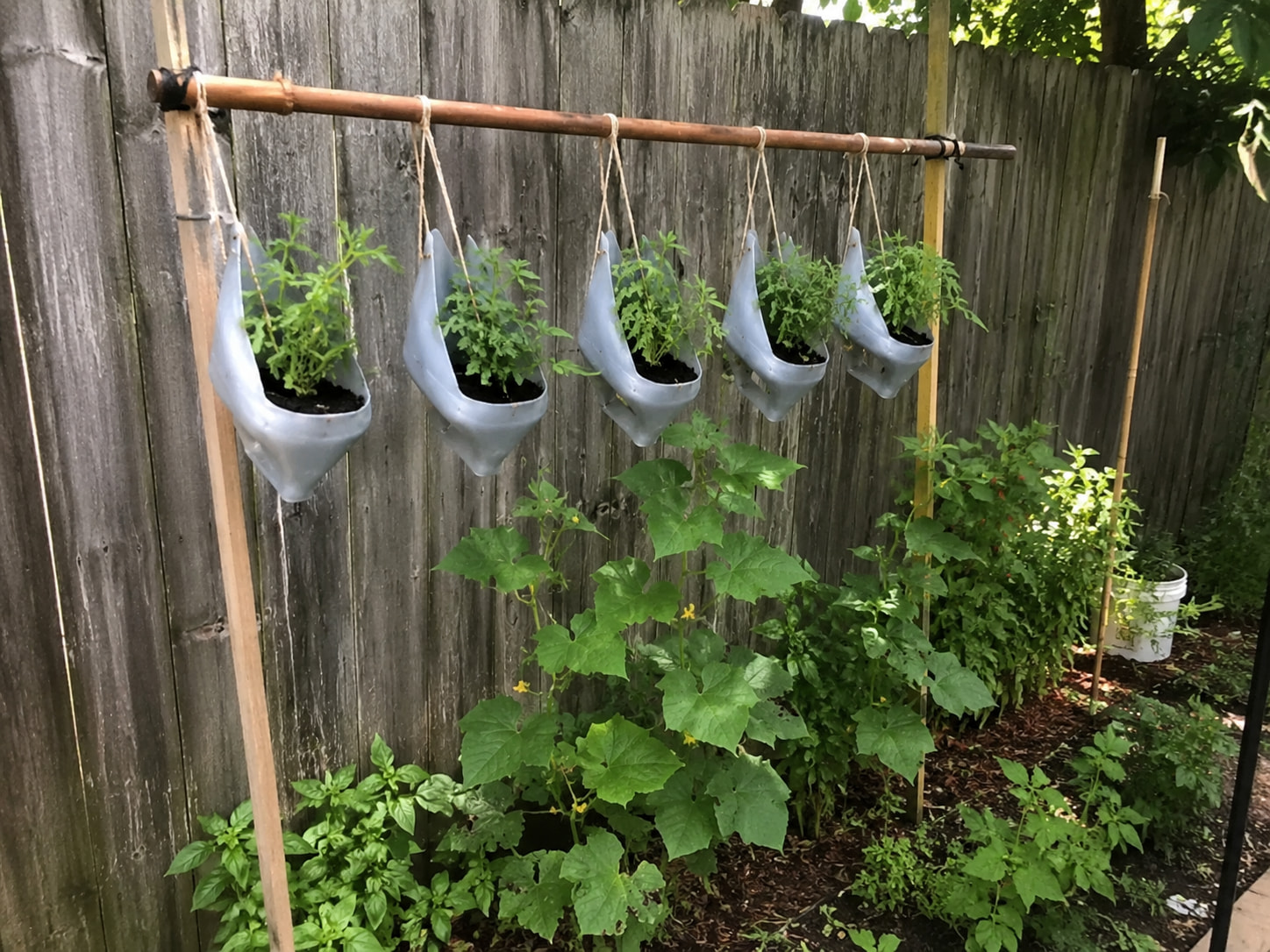
What planters balance aesthetics with drainage? Show your favorites, brands, or DIY planter hacks.
For a great balance of style and function, I love using terracotta pots with drainage holes. They allow for proper airflow to the roots while also giving that classic, rustic look. If you’re up for a DIY project, you can create a self-watering planter by nesting a smaller pot inside a larger one, adding gravel to the bottom for drainage. Brands like Lechuza offer beautiful self-watering options that are both chic and practical, perfect for keeping your plants happy without constant monitoring.
Consider using ceramic planters with a matte finish; they come in a variety of colors and designs that add a touch of elegance to your space while still providing drainage options. Look for ones with a built-in saucer or drainage holes to prevent overwatering. Additionally, if you’re into DIY, you can upcycle old wooden crates by adding a liner and drainage holes, giving your plants a trendy farmhouse look while being functional.
I agree with Tina! Terracotta pots are a solid option if you tend to overwater. They help absorb excess moisture, which improves plant drainage. I usually place them inside a more decorative planter so I still get the look I want.
I’ve settled into using the double pot method, and it’s honestly the easiest way to balance style and function. I keep my plants in basic nursery pots with drainage holes, then place them inside stylish plant pots or baskets. This way, I can control watering properly and avoid issues like trapped moisture, while still keeping everything cohesive visually. It also makes it easier to switch out planters depending on the space without disturbing the plant! If you’re into indoor plant styling ideas, this setup gives you a lot more flexibility.
If you like warmer or earthy interiors, rustic plant pots are hard to beat. I’ve used terracotta, aged cement, and even textured clay because those pot designs add character without trying too hard. Most of mine are simple outside, functional inside. Drainage still matters more than looks for me, so I never skip that part. Good roots usually mean a better-looking plant anyway.
My favorite setup is nursery pots inside decorative plant pots or woven baskets. It gives you cleaner pot designs without sacrificing drainage. Probably the easiest plant hack I’ve stuck with.
I still think terracotta is one of the best indoor planters if you tend to overwater. The breathable material helps, and a lot of newer plant pot designs look more modern than the classic orange pots. Easy win for both function and style.
The double-pot setup has been the most practical option in my house. I keep plants in plastic grow pots, then drop them into decor plant pots that actually match the room. It gives me way more freedom with planter designs without risking root rot. I can swap containers anytime if I change the space around. Super low effort, and it still looks intentional.
I keep everything in nursery pots and just drop them inside indoor decorative planters. Makes watering so much easier, and I can rearrange everything whenever I get bored with the setup.
The biggest mistake I ever made was buying a decorative flower pot without a drainage hole because it looked nice. Never again!! Every plant I put in it stayed soggy.
Those massive, tempting decorative planters used to trap me every time, but I learned the hard way that plants prefer a pot only slightly larger than the root ball. Now, I use Potey planters purely as aesthetic outer shells while keeping the roots perfectly cozy in smaller liners.
Honestly, the best design hack is to stop planting directly into decorative pots altogether! Most plants actually do best when their pot is only a little bigger than the root ball, even if those oversized decorative planters are incredibly tempting. I love buying beautiful, modern cover pots from Elho, but I strictly use them to hide the ugly plastic nursery pots my plants live in. It gives you 100% perfect drainage and lets you swap out your decor whenever you want without stressing the plant’s roots.
I usually just skip planting directly into pretty pots altogether. Most of them have zero drainage, so I keep my plants in their unattractive plastic nursery pots and just use the decorative planter as a cover. If you’re like me who absolutely hates using plastic liners, you just have to look for pots engineered with a raised base. I’ve been using a planter by Ember Collective. It sits elevated over a built-in tray so water actually clears out instead of pooling around the roots. Genius!
I love ceramic pots, but I always make sure they have attached saucers. Indoor decorative planters without some way to catch excess water are just asking for trouble. So, hey! Maybe I’ll check on this planter later and get one for myself.